Enfield Council garden waste rules every gardener should know
If you garden in Enfield, the bit that often gets overlooked is not the planting or pruning - it is the waste. Leaves pile up, hedge cuttings spill over a bag, and suddenly you are wondering what can go in the garden waste bin, what needs splitting out, and what happens if you get it wrong. The reality is simple: understanding Enfield Council garden waste rules every gardener should know saves time, reduces mess, and helps you avoid avoidable collection issues. It also makes your garden work feel a lot less chaotic, which, let's face it, is half the battle on a wet Sunday afternoon.
In this guide, we will walk through the practical side of garden waste in Enfield: how the system usually works, what gardeners commonly miss, how to separate tricky materials, and the best habits for keeping collections smooth. If you also need help clearing an overgrown plot before you sort the waste, the advice in first steps to revitalising an overrun garden space pairs well with this article.
Table of Contents
- Why these rules matter
- How the garden waste system works
- Key benefits and practical advantages
- Who this is for and when it makes sense
- Step-by-step guidance
- Expert tips for better results
- Common mistakes to avoid
- Tools, resources and recommendations
- Law, compliance, standards and best practice
- Options and comparison table
- Case study or real-world example
- Practical checklist
- Conclusion
- Frequently asked questions
Why Enfield Council garden waste rules every gardener should know Matters
Garden waste is one of those things that seems straightforward until you are left with a wheelbarrow full of cuttings, soil, and an awkward pile of thorny stems. In Enfield, the rules matter because they shape what can be collected, how waste should be presented, and how well your own garden routine runs from one week to the next.
For homeowners, landlords, keen allotment growers, and professional gardeners alike, the practical benefit is obvious: you waste less time re-sorting material at the kerb. You also reduce the risk of contamination, missed collections, and that frustrating moment when a bin is left behind because the contents were not prepared properly. Nobody wants to be staring at a half-empty bin on collection day thinking, "Well, that went sideways."
There is also a wider environmental point. Garden waste is often suitable for composting or other forms of green processing, but only if it is kept clean and well separated. A sack containing plastic plant ties, broken pots, or food waste can create problems further down the chain. Good sorting at home really does make a difference.
For gardeners who are already trying to build a cleaner, more sustainable outdoor space, this fits neatly with broader good practice. If you are interested in reusing organic material on site, you may also find turning waste streams into earth's riches helpful for composting ideas and soil improvement.
How Enfield Council garden waste rules every gardener should know Works
The exact collection setup can change over time, so it is always wise to check the current local guidance before putting anything out. That said, the basic model is familiar across many London boroughs. Garden waste is usually collected as a separate stream from general household rubbish, and it is expected to be mainly organic green material.
In plain English, that typically means grass cuttings, leaves, hedge trimmings, plant prunings, and other soft garden material. Hard landscaping debris, plastic plant labels, soil-heavy loads, and household rubbish are usually treated differently. If you mix the wrong things in, the load may be rejected or classed as contaminated.
Most gardeners find it easiest to think in terms of clean green waste. If it came from the garden and can break down naturally without causing contamination, it is usually a candidate for garden waste collection. If it is mineral, synthetic, or non-plant material, stop and think again.
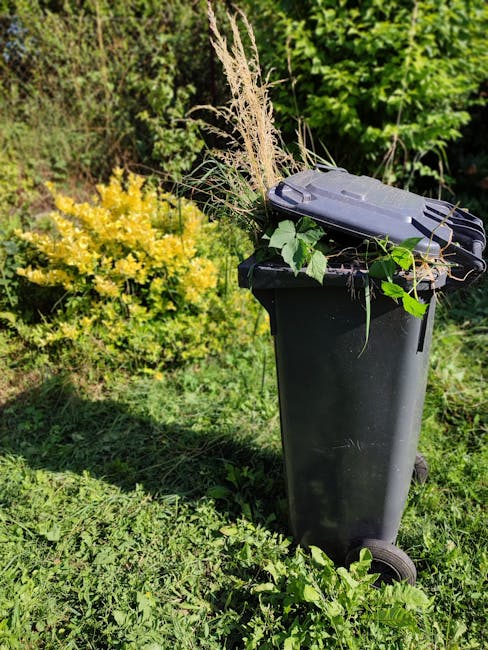
Collection arrangements often involve a dedicated container, a set presentation method, and rules around timing, weight, lid closure, and acceptable contents. Even when the rules seem fussy, they are there for a reason. A packed bin that is too heavy to lift or a bag with sharp debris poking through is not just inconvenient - it can be a safety issue too.
For gardeners who regularly tackle shrubs and boundary growth, knowing these rules matters even more. A job like hedge reduction can generate a surprising volume of green waste. If that is a recurring job, a service such as hedge trimming in Enfield Wash may help you stay on top of the waste load rather than letting it build into a weekend-long headache.
Key Benefits and Practical Advantages
Following the local garden waste rules is not just about compliance. It makes gardening smoother in practical ways you notice almost immediately.
- Cleaner kerbside collections: neatly sorted waste is easier to collect and less likely to be left behind.
- Less disruption: you spend less time re-bagging, rechecking, or moving material on collection day.
- Better garden hygiene: clearing green waste regularly reduces rot, pests, and messy build-up.
- More space in the garden: you are not tripping over piles of cuttings for three days straight.
- Improved sustainability: suitable organic waste can be handled in a way that supports composting and recovery.
There is also a quieter benefit: you start to manage the garden in smaller, more sensible stages. Instead of one overwhelming clear-up, you trim, bag, and dispose as you go. That rhythm is healthier for the garden and for your patience.
For smaller gardens, the benefit is even more obvious. A tight urban plot can fill up fast with clippings after just one session. If you are trying to keep a low-maintenance layout, ideas from five thrifty ideas for a gorgeous low-maintenance garden can also reduce the amount of waste you generate in the first place.
Who This Is For and When It Makes Sense
This guidance matters to almost anyone who gardens in Enfield, but a few groups benefit most:
- Home gardeners who regularly mow lawns, prune shrubs, or clear borders.
- Busy families who need a tidy, predictable routine rather than a mound of clippings by the shed.
- Landlords and property managers responsible for shared gardens or rental properties.
- Older gardeners who want less heavy lifting and fewer repeat trips to move waste around.
- Professional gardeners and maintenance teams who need efficient, compliant waste handling on every visit.
It also makes sense whenever you are planning seasonal work. Spring clear-ups, autumn leaf falls, and late-summer hedge cuts are the moments when waste volume jumps. If you leave the rules to the last minute, you end up improvising with bags, boxes, and awkward bits of timber that should have been separated earlier. Not ideal.
To be fair, even a simple one-off tidy can go wrong if you forget about what the council expects. A mixed load from a weekend cleanup is often where mistakes happen: grass at the bottom, a snapped plant pot tucked in, and a few bits of string still wrapped round cuttings. Easy to do. Also easy to avoid.
Step-by-Step Guidance
If you want to stay on the right side of the local rules, a simple workflow helps. Here is a practical way to handle garden waste before collection day.
- Separate as you work. Keep green waste apart from soil, broken pots, stones, and general rubbish from the beginning.
- Cut large material down. Long stems, bulky hedge trimmings, and tangled weeds are easier to manage when trimmed into smaller sections.
- Remove contamination. Take out plastic ties, plant trays, labels, wire, old compost bags, and any other non-organic bits.
- Drain excess moisture if needed. Wet grass and soggy leaves can become heavy very quickly. Let them settle before loading.
- Use the correct container or approved presentation method. Do not overfill. Close lids where required and avoid making the bin unsafe to move.
- Put out waste at the right time. Early enough for collection, but not so early that it becomes a nuisance or is disturbed.
- Check what was left behind. If a pile is not taken, look for contamination, overloading, or mixed materials first.
That sequence sounds almost too simple, but in practice it saves a lot of hassle. The difference between a smooth collection and a frustrating one is often just ten minutes of sorting the job properly.
If your garden task is bigger than a standard trim, a dedicated service like garden maintenance can help keep the workload under control, especially during peak growing months when everything seems to expand overnight.
Expert Tips for Better Results
Here are the habits that make the biggest difference in day-to-day use.
- Keep a separate "garden waste corner". One area for cuttings, another for general rubbish, another for reusable materials. It sounds small, but it stops mixed piles.
- Work in layers. Put lighter material in first and heavier clippings on top, rather than compressing everything into one dense lump.
- Bag thorny or sharp material carefully. Rose prunings and spiky stems should be wrapped or handled so they do not pierce bags or injure anyone.
- Stay ahead of leaf fall. Regular clearing is easier than one big autumn panic when the patio starts looking like a wet woodland floor.
- Keep compostable material clean. If you compost at home, reserve the cleanest green waste for that pile and keep contaminated material out.
- Use a measured trimming routine. A little pruning more often usually means less waste than one dramatic cutback.
If your outdoor space needs a faster reset, this can work hand in hand with practical improvements like weed control and structural tidying. For example, reliable methods for weed eradication is useful when weeds are creating more waste than the rest of the garden combined. Been there, sadly.
One small but important tip: do not assume every organic-looking item is garden waste. Dead houseplants, large amounts of soil, and some mixed planters are often where confusion starts. If in doubt, slow down and sort it properly before collection day.
Common Mistakes to Avoid
Most collection problems come from a handful of repeat errors. They are easy to make, especially if you are tidying up in a hurry.
- Mixing in soil and rubble: this is one of the most common causes of contamination.
- Including plastic or metal items: plant tags, packaging, wire, and broken garden accessories do not belong in green waste.
- Overfilling containers: a brimming bin can be unsafe to move or may not be accepted.
- Putting the wrong waste out too early: rain, wind, or curious pets can scatter it before collection.
- Ignoring weight and handling limits: wet cuttings are much heavier than they look.
- Leaving waste tangled with roots or turf in awkward chunks: it is better to cut and stack it neatly.
Another common slip is forgetting about boundary work. When you have been cutting back a hedge or dealing with an overrun corner, the pile builds quickly and looks harmless until it is all in one place. If that sounds familiar, you may find preventing ivy encroachment longterm solutions that work useful for reducing future waste from creeping growth.
And yes, everyone forgets a label or two now and then. The trick is to catch the mistakes before the bin lid is shut. That is the moment that matters.
Tools, Resources and Recommendations
You do not need a huge kit to manage garden waste well. A few dependable basics will do most of the work.
- Bypass secateurs for cleaner pruning and smaller offcuts.
- Shears or hedge trimmers for shaping larger shrubs and reducing waste volume.
- Heavy-duty garden sacks for temporary sorting, where appropriate.
- A rake and leaf grabber to gather loose material quickly.
- Gloves with decent grip so thorny or damp waste is easier to handle safely.
- A wheelbarrow or trug to move material from border to storage point without spilling it everywhere.
For gardeners who are building a better routine from the ground up, the essential tool kit for every passionate gardener gives a sensible baseline. It is not glamorous, but it is practical - which is what matters here.
Storage matters too. A dry, sheltered spot for temporary waste holding keeps the job neater and reduces smells from damp clippings. If you are improving your overall garden setup, you might also look at ground covers for garden serenity to cut down weeds and reduce routine waste from constant tidying.
Law, Compliance, Standards, or Best Practice
Garden waste handling sits within local waste management practice, so the safest approach is always to follow the current Enfield Council guidance directly. Rules can change, collection arrangements can be updated, and acceptable materials may be defined more tightly than people expect.
From a best-practice point of view, the standard approach across UK local waste systems is straightforward: keep waste streams separate, avoid contamination, present collections in the correct format, and do not overload containers. That is the core of good household compliance, and it is also the easiest way to prevent missed collections or warnings.
If you use a professional gardener or maintenance team, they should also work in line with safe handling expectations. That means reasonable manual handling, safe storage of tools and waste, and care around sharp debris. A good contractor will not just dump everything in a heap and hope for the best. In our experience, the tidy jobs are the ones where waste handling is planned before the first cut is made.
For customers who want to understand how a service provider approaches safety and working practice, the pages on health and safety and insurance and safety are useful trust signals to look at before booking any garden work.
Options, Methods, or Comparison Table
There is no single perfect way to handle garden waste. The right option depends on garden size, how often you work, and how much material you generate each month.
| Method | Best for | Strengths | Watch-outs |
|---|---|---|---|
| Council garden waste collection | Regular domestic garden clear-up | Simple, predictable, good for routine green waste | Needs correct sorting and presentation |
| Home composting | Small to medium gardens with space for a heap or bin | Reduces waste, improves soil, easy to integrate with gardening | Not suitable for contaminated material or large woody items |
| Professional garden clearance | Overgrown gardens, seasonal cut-backs, big one-off jobs | Fast, tidy, less lifting for the homeowner | Needs a clear understanding of what is being removed |
| Mixed disposal by mistake | Not recommended | Looks convenient in the moment | Can cause contamination, delays, and extra hassle |
If your garden is the kind that tends to get away from you in late summer, a managed service can be more realistic than trying to conquer the whole thing in one morning. The first clear-up feels huge, then suddenly the maintenance becomes easier. That is usually how it goes.
Case Study or Real-World Example
Consider a typical back garden in Enfield after a month of growth in spring. The borders are full, the hedge has put on a bit too much ambition, and the lawn has produced enough clippings to fill a small trail of bags. The homeowner wants to put everything out for collection in one go, but the pile contains grass, branches, soil from a tired planter, and a few old plant labels.
Instead of throwing it all together, the smarter approach is to split it into three groups: clean green waste, heavier woody material, and non-organic bits. The grass and soft pruning can be set aside for the relevant collection stream or composting. The labels and packaging go elsewhere. The woody trimmings are cut shorter, tied or bundled safely, and the soil is removed from the pile entirely.
The result is a neater garden, a much lower chance of rejection, and a cleaner process the next time around. It also changes the way the homeowner works. By the second or third visit, they begin pruning with disposal in mind, which means less mess in the first place. That is the quiet win here.
We see the same pattern with boundary work too. A garden that has become crowded with ivy, brambles, and self-seeded growth often generates a lot more waste than the owner expects. Planning that job alongside the right disposal method is a lot less stressful than dealing with the aftermath in a rush. If you are tackling that kind of job, first steps to revitalising an overrun garden space is a sensible companion read.
Practical Checklist
Use this quick checklist before your next garden waste collection or cleanup.
- Have I separated green waste from soil, rubble, and household rubbish?
- Have I removed plastic ties, pots, labels, and packaging?
- Are long stems and hedge trimmings cut down to manageable lengths?
- Is the container not overfilled or made too heavy to move safely?
- Have I checked the current Enfield collection guidance for any changes?
- Do I know what will be composted at home and what needs collection?
- Is the waste placed out at the correct time and in the correct way?
- Have I kept sharp or thorny material wrapped or secured properly?
- Have I left enough time to correct a mistake before collection day?
That little pause before you put the bin out makes a bigger difference than people think. Five minutes now can save a whole week of annoyance later.
Get a free quote today and see how much you can save.
Conclusion
Garden waste does not need to be complicated, but it does need a bit of care. Once you understand Enfield Council garden waste rules every gardener should know, the whole process gets easier: less sorting panic, fewer collection problems, and a tidier garden through the seasons.
The best approach is simple. Keep organic waste clean, separate out the awkward bits, stay aware of collection expectations, and make waste handling part of your normal gardening rhythm. If you do that consistently, the garden feels calmer, the work feels lighter, and you spend more time enjoying the space rather than clearing up after it.
And honestly, that is what good gardening should feel like - a bit more peace, a bit less faff, and a lot less clutter by the shed.
Frequently Asked Questions
What counts as garden waste for Enfield collections?
In general, garden waste means organic material such as grass cuttings, leaves, hedge trimmings, weeds, and plant prunings. Always check the current local guidance for the most accurate list, because councils can refine what they accept.
Can I put soil in the garden waste bin?
Usually, soil is treated differently from green garden waste. It is often too heavy and can cause contamination issues. The safest approach is to keep soil separate and find out how your local service expects it to be handled.
Are branches and woody cuttings allowed?
Smaller woody cuttings may be accepted if they are presented properly and within the relevant rules, but thick branches or bulky timber usually need separate handling. Cut awkward material down so it is easier to assess and manage.
What should I do with plastic plant pots and labels?
These do not belong in green waste. Remove them before collection and sort them into the proper recycling or general waste stream according to the item and local guidance.
Can I mix weeds with the rest of my garden waste?
Often yes, if they are purely organic and free from contamination, but it is wise to avoid including weeds that are seeding aggressively unless you know your composting or disposal route is suitable. If in doubt, separate them.
Why was my garden waste not collected?
Common reasons include contamination, overfilled containers, heavy loads, or items that do not belong in the garden waste stream. If collection fails, review what was placed in the bin first. The issue is usually there.
Is home composting better than council collection?
For some gardeners, yes. Composting is ideal for clean organic material and can reduce how much waste leaves your property. But it will not suit every type of material, and not everyone has the space or time to manage it properly.
How can I reduce garden waste in the first place?
Prune little and often, choose lower-maintenance planting, use ground covers where appropriate, and stay on top of weeds before they turn into a bigger job. A garden that is managed regularly usually produces less waste than one left for seasonal rescue missions.
Do I need a professional gardener to follow the rules correctly?
No, but a professional can make the process easier if your garden is large, overgrown, or physically demanding to maintain. They should work with safe, tidy waste handling practices and can help you avoid common mistakes.
What is the best way to handle a big seasonal clear-up?
Split the job into stages. Start with one area, separate waste as you go, and decide what will be composted, collected, or removed professionally. Big clear-ups feel much less intimidating once you stop treating them as one giant task.
Where can I get help if my garden needs more than a simple tidy?
If the work has grown beyond a regular tidy-up, a broader service such as gardening services may be useful. For more general improvements, you can also look at garden maintenance or speak directly through the contact page.
Are there extra rules for hedge cuttings and larger garden jobs?
Large hedge jobs and clearance work often produce more waste than expected, so presentation and separation matter even more. If you are managing repeated hedge work, it helps to plan disposal before you start cutting, not after the pile has already taken over the patio.
Can garden waste rules change over time?
Yes, and that is why it is sensible to check the current local information before collection day. A small update in accepted materials or presentation rules can make the difference between a smooth pick-up and a missed bin.